Humanities HUB › LITERARY CRITICISM › Semiotics & Theory
This category
LITERARY CRITICISM / Semiotics & Theory
Paper · Semantic Scholar
Changing Concepts of Literature and Criticism: From Plato’s Mimetic Theory to Leavis’s Moral CriticismThe present study, titled “Changing Concepts of Literature and Criticism: From Plato’s Mimetic Theory to Leavis’s Moral Criticism,” explores the historical development of literary criticism from classical Greek philosophy to modern moral criticism. Literature and literary criticism have continuously evolved according to changing philosophical, cultural, and intellectual traditions. The study primarily examines Plato…
Reference · Wikidata
semiotic literary criticismapproach to literary criticism informed by the theory of signs or semiotics
Encyclopedia · Wikipedia
Semiotic literary criticismSemiotic literary criticism, also called literary semiotics, is the approach to literary criticism informed by the theory of signs or semiotics. Semiotics, tied closely to the structuralism pioneered by Ferdinand de Saussure, was extremely influential in the development of literary theory out of the formalist approaches of the early twentieth century.
Book · DOAB
Jean Genet and the Semiotics of PerformanceWhen Jean Genet, the enfant terrible of the French theater, died on April 15, 1986, he left a rich and controversial literary legacy. Genet, a homosexual and ex-convict, wrote about events and in a language that could ruffle the complacency of the most sophisticated reader. His work can be seen as a struggle of the social outcast to be heard from beyond the borders of the dominant, heterosexual culture. This challen…
Full text · Open Library
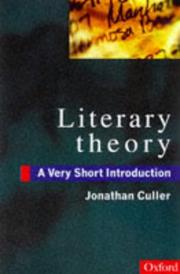 Literary Theory
Culler offers insights into theories about the nature of language and meaning, looks at whether literature is a form of self-expression or a method of appeal to an audience, and outlines the ideas behind deconstruction and semiotics.
Image · DPLA
Issue 61.1 of the Review for Religious, 2002.